Pusher Street: what it was and what stands there now
What it was
One street, not a district. For decades a short cobbled stretch inside the Freetown carried an open-air cannabis market, and because that stretch was photographed and written about more than anything else inside the gate, most people arrived believing it was the whole place. It was never more than a few dozen metres of a 34-hectare neighbourhood.
2016: the stalls come down
After a shooting in 2016 the stalls were removed, and sales dropped by roughly 75% within two months. The trade did not disappear; it thinned and moved, and the argument inside the community about what to do next continued for another seven years.
August 2023: the barricades
Residents blocked the entrances to the street with concrete barriers and bars. Anyone who walked through Christianshavn that autumn saw them. It was a community closing a street against a trade that most of the people living around it had stopped wanting.
6 April 2024: the cobblestones
On the morning of 6 April 2024, residents came out with crowbars and dug up the cobblestones of Pusher Street themselves, with police cooperation, to end the trade for good. I was two streets away and it was the least ceremonial thing imaginable: people in work gloves lifting stones out of the ground and stacking them.
What stands there now
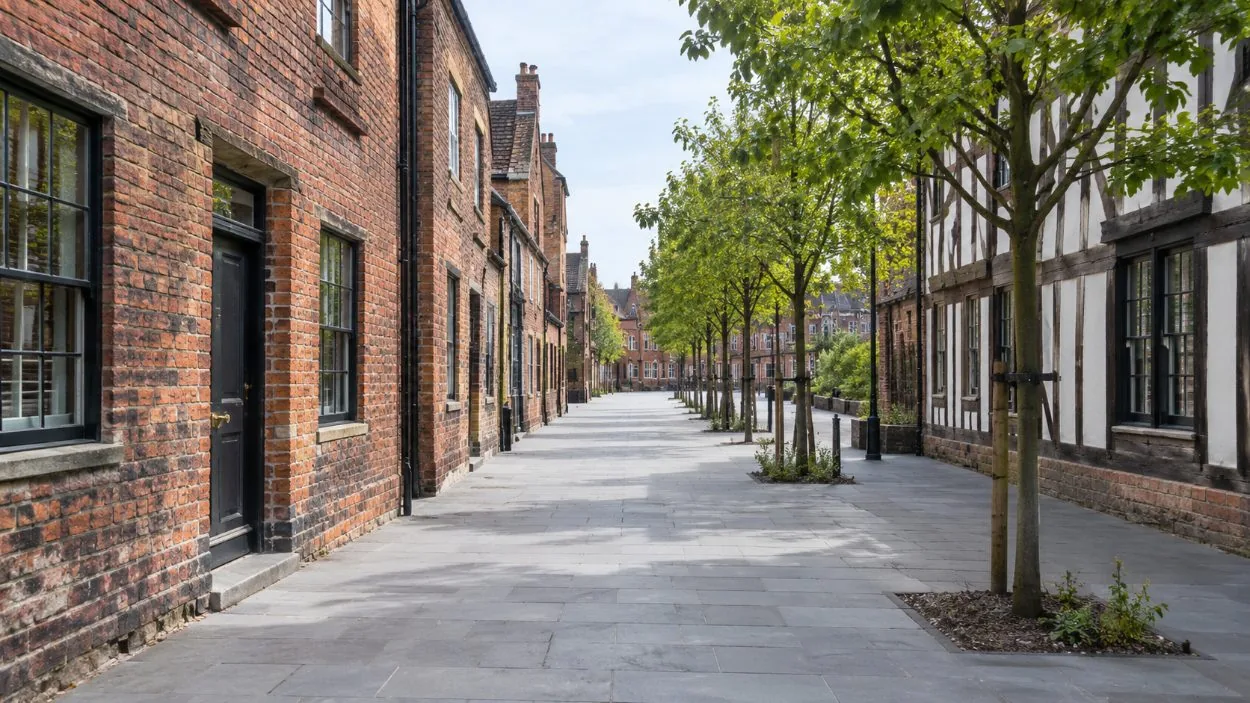
An ordinary paved walkway with people using it to get from one part of the neighbourhood to another. It is not a monument and there is nothing to photograph; that stretch remains off limits for cameras, which is covered on can you take photos. Hard drugs have always been banned by the community itself, and since July 2013 ordinary Danish law has applied across the area.
If you came to Christiania because of this street, you came for the least interesting part of it. Turn left at the Grey Hall and walk out to the ramparts and the lake instead — that is the half of the Freetown that was always worth the trip.
Why it matters for a visit today
Because almost everything written about Christiania before 2024 describes a place that no longer exists, and visitors still arrive braced for something that is not there. What is there is a self-governed residential neighbourhood, which is a stranger and better thing. The things to see page has the walkable version, and is it safe deals with the nerves directly.
Frequently asked questions
Why was Pusher Street dug up?
Residents removed the cobblestones themselves on 6 April 2024, with police cooperation, to end the open-air cannabis trade for good. It followed the 2016 removal of the stalls and the concrete barriers residents put up in August 2023.
What is on Pusher Street now?
An ordinary paved walkway used by people who live in the neighbourhood. There is nothing to see and the stretch stays off limits to cameras — see can you take photos in Christiania.
Does the change affect a visit to Christiania?
It removes the thing most visitors were nervous about and leaves the part that was always worth seeing: the ramparts, the lake, the Grey Hall and the workshops. Start with what to expect.